




California Water Heater Law 2027: San Francisco Homeowner Guide
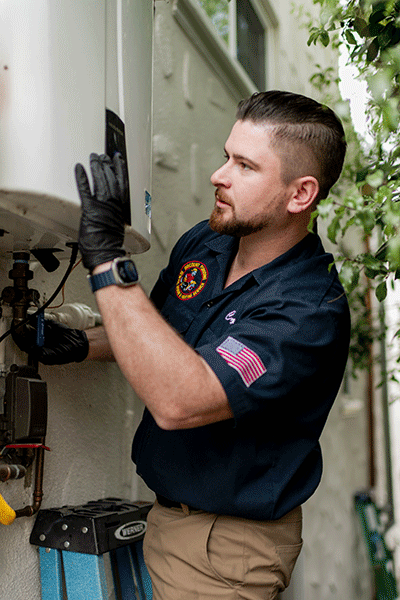
Your water heater does not need to panic, and neither do you.
If you own a home in San Francisco, you may have heard about the California water heater law 2027 or the San Francisco area’s Rule 9-6 changes. The headlines can sound intense, but the homeowner version is pretty simple:
The rule affects future water heater replacement in San Francisco planning. It doesn’t mean you have to replace your current working water heater right now.
For San Francisco homes, where space is tight, systems are often tucked into creative little corners, and “simple replacement” is not always simple. This is why planning ahead matters.
Discount Plumbing helps homeowners understand their water heater options clearly, from traditional repairs to tankless water heater options and energy-efficient replacement planning. If your system is older or already acting suspicious, you can start with our San Francisco water heater services or contact our team to schedule a check.
The California Water Heater Law 2027 at a Glance
Here’s what San Francisco homeowners need to know:
- The rule is tied to the Bay Area Air Quality Management District.
- It is scheduled to affect certain new water heaters beginning January 1, 2027.
- It focuses on reducing NOx emissions from natural gas-fired water heaters.
- It doesn’t require you to remove a working water heater immediately.
- Replacement options may shift toward zero-NOx systems, including electric heat pump water heaters.
- Older water heaters should be inspected before they fail, especially if they are already showing signs of age.
- In other words, this is not a “drop everything today” situation. It is a “let’s not wait until it’s an emergency” situation.

What Is Rule 9-6?
Rule 9-6 is a Bay Area air quality rule that limits emissions from natural gas-fired water heaters and boilers. The part many homeowners are hearing about is Standard 301.5, which applies to certain smaller natural gas storage tank water heaters manufactured after January 1, 2027.
For the average homeowner, the most important point is this:
When your water heater eventually needs replacement, the available equipment choices may be different than what you are used to.
That is why a professional inspection is useful. Our team can look at your current system, explain whether it still has life left, and help you compare future replacement options without pressure through our San Francisco water heater services.
What Is Not Changing With San Francisco’s New Water Heater Regulations?
If your water heater is working, you don’t have to replace it immediately because of the 2027 rule.
The rule is about future equipment standards and replacement options, not penalizing homeowners for what is already installed.
If your water heater has a repairable issue, our plumbers can inspect it and let you know whether repair or replacement is the better call. Sometimes a repair makes perfect sense. Sometimes replacement is smarter.
A water heater replacement should fit your home, your budget, and your long-term needs.
What Is Changing Around California’s 2027 Water Heater Law?
Older-style gas storage tank water heaters may become harder or unavailable to install for covered replacements after the rule takes effect.
Many homeowners may begin looking more closely at electric or heat pump water heater options. These can be efficient, but they need the right space, sizing, and electrical setup.
San Francisco homes can have tight utility areas, older electrical panels, shared walls, multi-unit layouts, and other details that affect installation. A little planning goes a long way.
Equipment pricing, available incentives, and installation requirements can change. A professional assessment can help you understand the realistic cost before your water heater fails.
What Should San Francisco Homeowners Do With Their Water Heaters Now?
If your water heater is around 8–12 years old, it’s worth getting an inspection. This doesn’t mean it automatically needs replacement, but it does mean you should know where you stand.
Watch for:
- Inconsistent hot water
- Leaks around the tank
- Rust or corrosion
- Rumbling or popping sounds
- Pilot light issues
- Hot water running out quickly
- Water that looks rusty or smells unusual
If your system is showing these signs, consider scheduling a water heater service before it turns into a cold-shower emergency.
Not every issue requires a new water heater. Sometimes a repair or maintenance visit can extend the life of the system.
Our plumbers will inspect your unit, explain the problem, and give you straightforward, honest recommendations.
Depending on your home and current equipment, your future options may include:
- Repairing or maintaining your existing unit
- Replacing with a compliant water heater when needed
- Upgrading to a tankless system
- Considering electric or heat pump-style equipment
- Planning for electrical or space requirements ahead of time
If you’re interested in space-saving options, check out our tankless water heater services. If you’re not sure where to begin, contact Discount Plumbing San Francisco and we can help you sort through the options.

Why Early Planning Helps
Planning before your water heater fails gives you more control.
You can:
- Compare system types
- Review costs before it is urgent
- Ask about rebates or financing
- Check whether electrical upgrades may be needed
- Pick the right size for your household
- Avoid rushed installation decisions
- Reduce the risk of downtime without hot water
Having a replacement plan doesn’t mean you are replacing today. It just means you’ll be ready when the time comes.
San Francisco Water Heater Cost, Rebates, and Incentives
Water heater replacement costs can vary based on system type, home layout, electrical requirements, permit needs, equipment availability, and rebate eligibility.
Some homeowners may qualify for rebates, tax credits, or utility incentives when upgrading to more efficient equipment. These programs change over time, so eligibility depends on your equipment, location, utility provider, and current program rules.
Discount Plumbing can help you understand what to ask about and which options may make the most sense for your home. If you are comparing repair versus replacement, our water heater installation and repair team can help you look at the real-world cost, not just the sticker price.
Why Choose Discount Plumbing in San Francisco?
Discount Plumbing has been helping San Francisco and Bay Area homeowners for over 30 years. Our licensed plumbers handle water heater repair, replacement, tankless systems, drain services, sewer work, and everyday plumbing repairs.
With water heaters, we can help you:
- Inspect your current system
- Diagnose hot water problems
- Repair common water heater issues
- Plan for replacement before failure
- Compare traditional and tankless options
- Understand future rule impacts
- Avoid rushed decisions
Start with our water heater repair and installation services or contact our San Francisco team for help.
FAQ
Is San Francisco banning gas water heaters?
The rule does not force homeowners to immediately remove working gas water heaters. It affects future sale and installation standards for certain water heaters in the Bay Area.
Do I need to replace my water heater before 2026?
No. If your current water heater is working, you do not need to replace it just because 2027 is approaching.
What if my water heater breaks after January 1, 2027?
A plumber can inspect the system and determine whether repair is possible. If replacement is needed, your options may be different based on the rules in effect at that time.
Can I still repair my current water heater?
In many cases, yes. If the system is safe and repairable, maintenance or repair may be a good option. Our water heater service team can inspect the unit and explain the best next step.
Are tankless water heaters a good choice in San Francisco?
Tankless water heaters can be a strong option for many San Francisco homes because they save space and provide hot water on demand. The right choice depends on your home’s layout, venting, gas or electric setup, and hot water needs. You can learn more through our tankless water heater services.
Are rebates available for new water heaters?
They may be. Rebate and incentive programs change, so eligibility depends on your equipment, location, utility provider, and current program rules.
Should I replace my older water heater now?
Maybe. If your water heater is old, leaking, inefficient, or needing frequent repairs, it is worth getting an inspection and estimate. If it is working well, you may simply need a maintenance plan.
Can Discount Plumbing help me plan ahead?
Yes. We can inspect your water heater, explain your options, and help you plan for repair or replacement before it becomes urgent.